


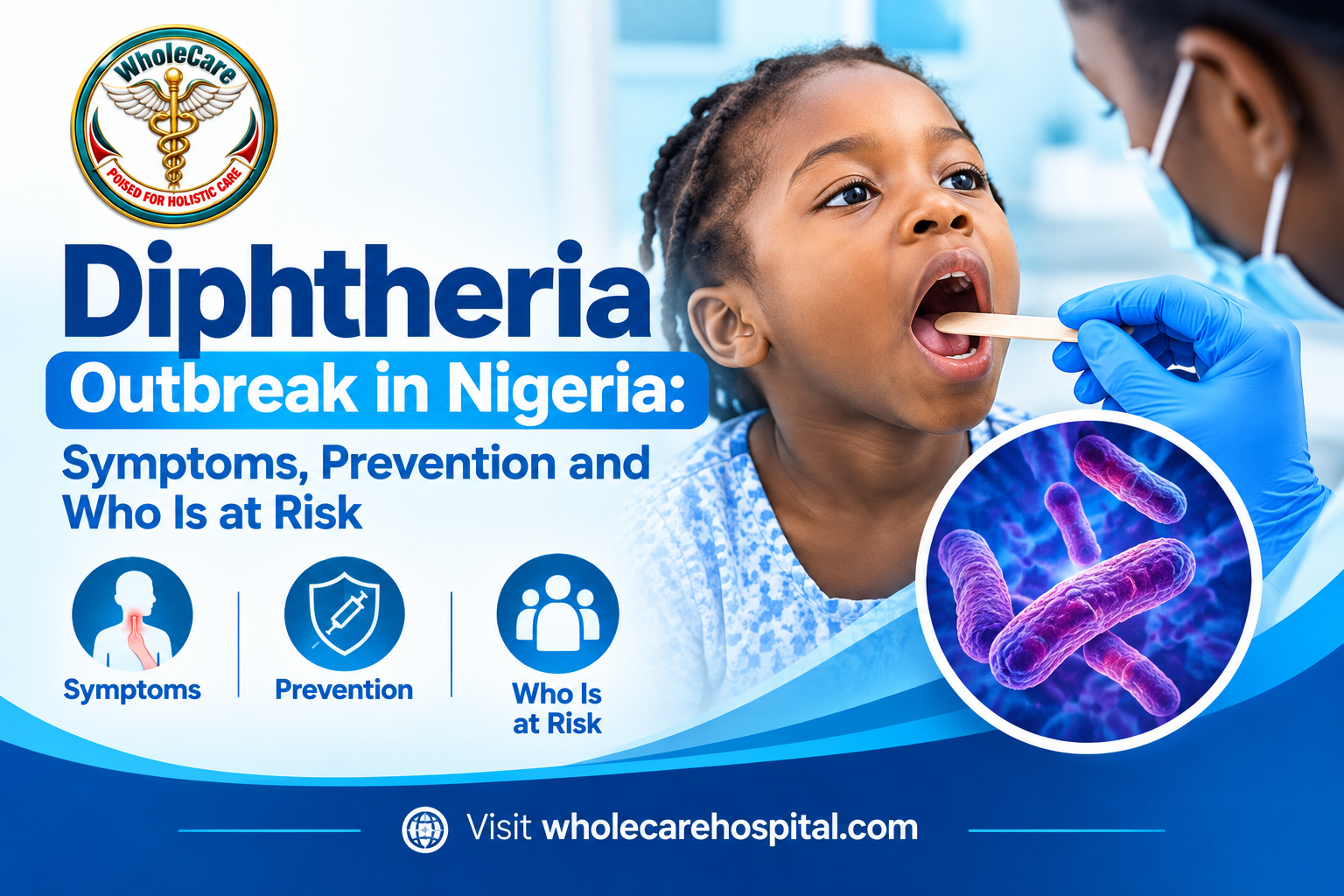
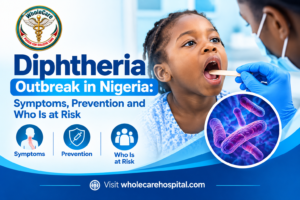
Diphtheria Outbreak in Nigeria: Symptoms, Prevention and Who Is at Risk
According to the Director General of the Nigeria Centre for Disease Control and Prevention (NCDC), Dr. Gidado Idris, Nigeria has recorded more than 10,000 confirmed cases of diphtheria, a serious disease that can be prevented through vaccination. Dr. Idris disclosed this while speaking to the media in Abuja, highlighting the continuing public health concern posed by the disease.
Health officials reported that eight states account for approximately 98 percent of the confirmed cases recorded in the country. These states are Kano, Kaduna, Katsina, Borno, Bauchi, Plateau, Sokoto and Zamfara. The figures underline the importance of vaccination, early recognition of symptoms and prompt medical attention, particularly in communities where cases have been reported.
1. What is Diphtheria?
Diphtheria is a serious infection caused by harmful bacteria. It usually affects the nose and throat and can make breathing and swallowing difficult. The bacteria can produce a harmful substance called a toxin, which can damage the throat, heart, nerves and other parts of the body. Diphtheria can spread from one person to another.
It is mainly spread when an infected person coughs or sneezes, releasing tiny droplets into the air. It can also spread through close contact with an infected person or by touching objects contaminated with the bacteria. Although diphtheria can be treated, it can become life-threatening if medical care is delayed. Vaccination is the best way to prevent it.
2. What are the Symptoms of Diphtheria?
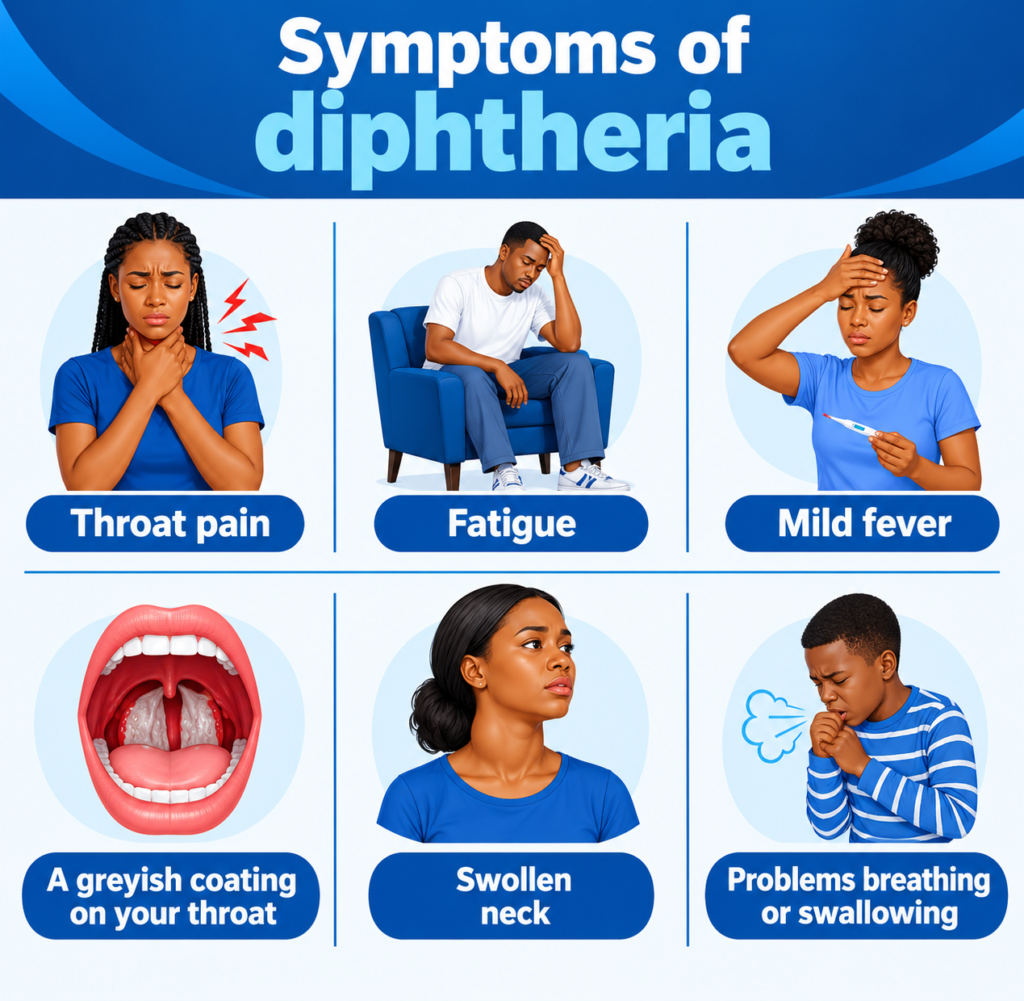
Symptoms of diphtheria may appear a few days after a person becomes infected. Common symptoms include sore throat, fever, weakness, tiredness, swollen glands in the neck, difficulty swallowing and difficulty breathing. Some people may also have a cough, runny nose or a thick coating inside the throat that may look grey or white.
The thick coating in the throat is particularly concerning because it can block the airway and make breathing difficult. The neck may also become swollen, sometimes giving it a noticeably enlarged appearance. Symptoms can become worse quickly, especially in children. Anyone showing these symptoms, particularly difficulty breathing or swallowing, should receive medical attention promptly.
3. How Can Diphtheria Be Prevented?
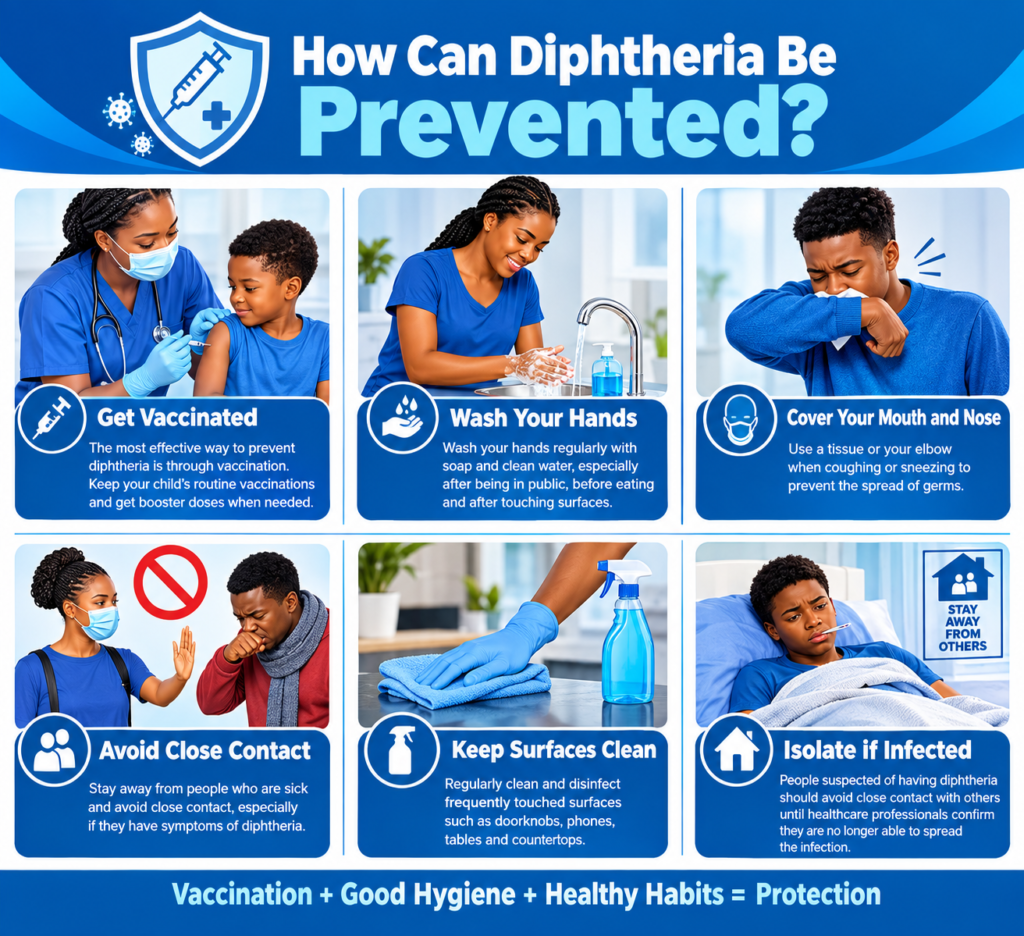
The most effective way to prevent diphtheria is through vaccination. Vaccines help the body’s natural defence system learn how to fight the bacteria and protect against serious illness. Children should receive their recommended childhood vaccinations, while adults may also need additional doses or booster vaccinations depending on their vaccination history and local health recommendations.
Other preventive measures include washing your hands regularly, covering your mouth and nose when coughing or sneezing, avoiding close contact with people who are sick and keeping frequently touched surfaces clean. People suspected of having diphtheria should avoid close contact with others until healthcare professionals confirm that they are no longer able to spread the infection.
4. Who is at Risk of Contacting the Bacteria?
Anyone who has not been properly vaccinated against diphtheria can become infected. Unvaccinated or incompletely vaccinated children are particularly vulnerable. People living in crowded conditions, areas where vaccination coverage is low, or places experiencing an outbreak may also have a greater chance of coming into contact with the bacteria.
People who live with or have close contact with someone who has diphtheria are also at increased risk. Individuals with weakened body defences may be more likely to develop serious illness if infected. Maintaining recommended vaccinations, practising good hygiene and avoiding close contact with infected people are important ways to reduce the risk of infection.
5. What Should You Do When You Notice the Symptoms?
If you notice symptoms that could be diphtheria, especially difficulty breathing, difficulty swallowing, severe sore throat, swelling of the neck or a thick coating in the throat, seek medical care immediately. Do not wait for the symptoms to become severe or attempt to treat the condition with home remedies alone. Diphtheria can become dangerous without proper treatment.
Keep the person away from close contact with other people while seeking medical advice because the infection can spread. A healthcare professional may carry out tests and provide appropriate treatment, which can include medicines that fight the bacteria and treatment to reduce the effects of its harmful toxin. Early medical attention can greatly reduce the risk of serious complications.







Post Comment